
Burning, gritty eyes can make reading, driving, working at a screen, and wearing contact lenses feel like a daily challenge. Understanding how IPL treats dry eye can help patients move beyond repeatedly reaching for artificial tears and toward care that addresses a common underlying cause: unhealthy oil glands along the eyelids.
Intense pulsed light, or IPL, is an in-office treatment often used for evaporative dry eye related to meibomian gland dysfunction. It is not a cure for every form of dry eye, and it is not the same as a laser procedure. But for the right patient, IPL can reduce inflammation around the eyelids and support a healthier tear film over time.
Why dry eye often starts at the eyelids
Healthy tears are not simply water. They are a carefully balanced mixture of water, mucus, and oil. The oil layer, produced by tiny meibomian glands in the eyelids, slows tear evaporation and helps tears spread smoothly across the eye.
When those glands become blocked, inflamed, or less productive, the tear film can evaporate too quickly. Eyes may feel dry, watery, tired, itchy, or sensitive to light. Vision may also fluctuate, especially late in the day or during prolonged computer use.
This condition is called meibomian gland dysfunction, or MGD. It is one of the most frequent contributors to dry eye symptoms. Warm compresses, eyelid hygiene, lubricating drops, and dietary changes may be part of a care plan, but some patients need additional support when symptoms persist or gland blockage is more advanced.
How IPL treats dry eye
IPL uses controlled pulses of broad-spectrum light applied to the skin around the lower eyelids and upper cheeks. The treatment is designed to target abnormal surface blood vessels and inflammation associated with eyelid disease, including rosacea. By reducing this inflammatory activity, IPL may improve the environment around the meibomian glands.
The light also creates gentle warmth in the treatment area. This can help soften thickened oils within the glands so they are easier to express. After IPL, a doctor or trained eye care professional may perform gland expression, using careful pressure to clear stagnant oil from the eyelids. This step can be particularly useful when glands are obstructed.
In practical terms, IPL aims to improve the quality of the oil reaching the tear film. Better oil quality can mean slower evaporation, more stable tears, and fewer dry eye symptoms. Many patients notice that their eyes feel less irritated and that their vision stays more consistent between blinks.
IPL may also help reduce Demodex-related inflammation in some patients. Demodex are microscopic mites that can live around the lashes and contribute to lid irritation, crusting, and inflammation. Whether this is a meaningful part of your dry eye depends on your individual exam findings.
What IPL does not do
IPL is not a one-size-fits-all answer for every dry eye complaint. Dry eye can also be driven by low tear production, autoimmune disease, allergies, medication side effects, contact lens wear, incomplete blinking, or environmental exposure. Some people have more than one cause at the same time.
That is why a comprehensive dry eye assessment matters. Treatment works best when it is based on the health of the tear film, eyelids, cornea, and meibomian glands, rather than symptoms alone. IPL may be one part of a broader plan that also includes prescription drops, lubricants, lid care, omega-3 guidance, punctal plugs, or other therapies when appropriate.
What happens during an IPL dry eye appointment
Before recommending IPL, your eye doctor evaluates whether your symptoms and eyelid findings suggest MGD or ocular rosacea. This may include examining the eyelid margins, assessing tear stability, looking for inflammation, and checking the glands. Advanced dry eye evaluation can also show whether gland structure has been affected over time.
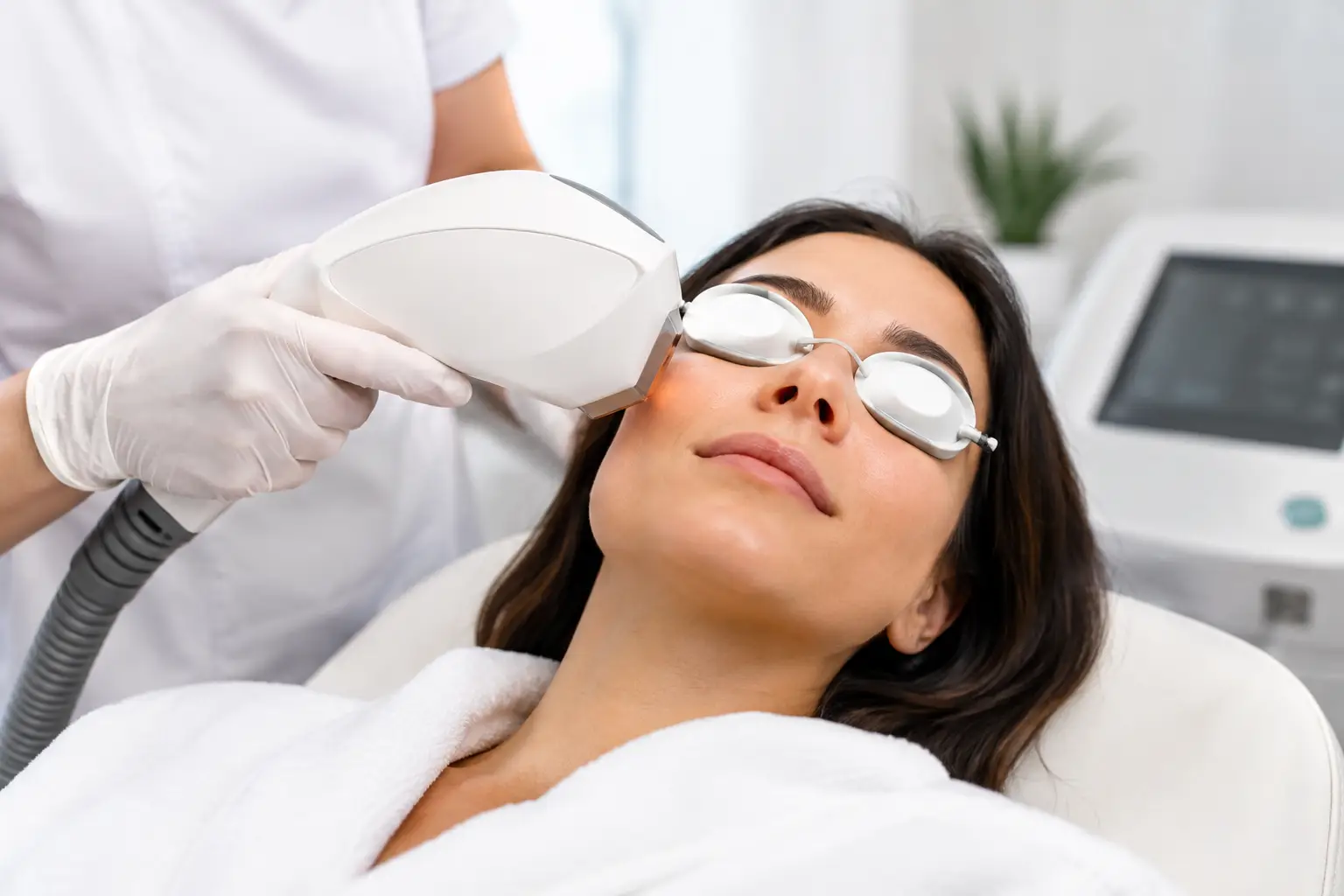
During treatment, protective shields are placed over the eyes. A cooling gel is applied to the skin, and a series of light pulses is delivered around the lower eyelids and cheek area. Patients often describe a brief warm sensation or a quick snap against the skin. The procedure is generally well tolerated and typically takes only a short time.
Following the light treatment, gland expression may be performed if indicated. This can cause temporary pressure or tenderness, especially if the glands are significantly blocked. Your provider will also give specific aftercare instructions, which may include avoiding direct sun exposure and using sunscreen as directed.
Most IPL plans involve a series of treatments, often spaced several weeks apart. The exact number varies based on the severity of symptoms, gland health, skin type, and response to treatment. Some patients later benefit from maintenance sessions. Improvement can be gradual because healthier gland function and reduced inflammation take time.
Who may be a good candidate for IPL?
IPL can be especially helpful for people with evaporative dry eye, meibomian gland dysfunction, eyelid inflammation, or ocular rosacea. It may be worth discussing if warm compresses and over-the-counter drops provide only short-lived relief, or if dry eye continues to interfere with work, hobbies, driving, or contact lens comfort.
People who experience facial flushing, visible blood vessels around the cheeks or nose, recurrent styes, or redness along the eyelid margins may also have signs that make IPL relevant. Still, candidacy is determined through an exam, not a symptom checklist.
Certain skin types, medical conditions, medications, and recent sun exposure may affect whether IPL is appropriate. Patients should share their full health history, including use of photosensitizing medications, history of skin cancer, active skin infections, pregnancy status, and prior eye procedures. Your eye care provider can explain the expected benefits, limitations, and alternatives for your situation.
Results: realistic expectations matter
The goal of IPL is usually meaningful symptom relief and better tear-film stability, not instant perfection. Some patients feel improvement after an early session, while others notice changes after completing the recommended series. Results can depend on how long gland dysfunction has been present and whether the glands can still produce oil effectively.
IPL cannot restore meibomian glands that have been permanently lost. It can, however, help maximize the function of glands that remain and reduce the inflammatory cycle that contributes to obstruction. Continuing at-home care remains important. Regular lid hygiene, appropriate lubricating drops, screen breaks, hydration, and protection from wind or dry indoor air can all support treatment results.
For contact lens wearers, improved tear stability may make lenses more comfortable. That said, lenses can still contribute to dryness in some people, so your doctor may recommend adjusting wear time, material, replacement schedule, or lens care routine.
Is IPL safe for dry eye treatment?
When performed by a qualified eye care professional with proper eye protection and patient screening, IPL is generally considered a safe option for appropriate candidates. Temporary redness, warmth, or mild skin sensitivity can occur after treatment. Less commonly, pigment changes or skin irritation may occur, which is one reason skin assessment and post-treatment guidance are important.
A clinical evaluation also helps ensure that symptoms labeled as dry eye are not caused by another eye condition that needs different treatment. Persistent eye pain, significant light sensitivity, sudden vision changes, or marked redness should always be assessed promptly.
At Mountain Eye Care, dry eye treatment begins with listening to how symptoms affect your day and identifying the factors behind them. IPL may be an effective next step when eyelid inflammation and blocked oil glands are keeping your tears from doing their job. A personalized evaluation can clarify whether it fits your eyes, your health history, and your goals for more comfortable vision.