
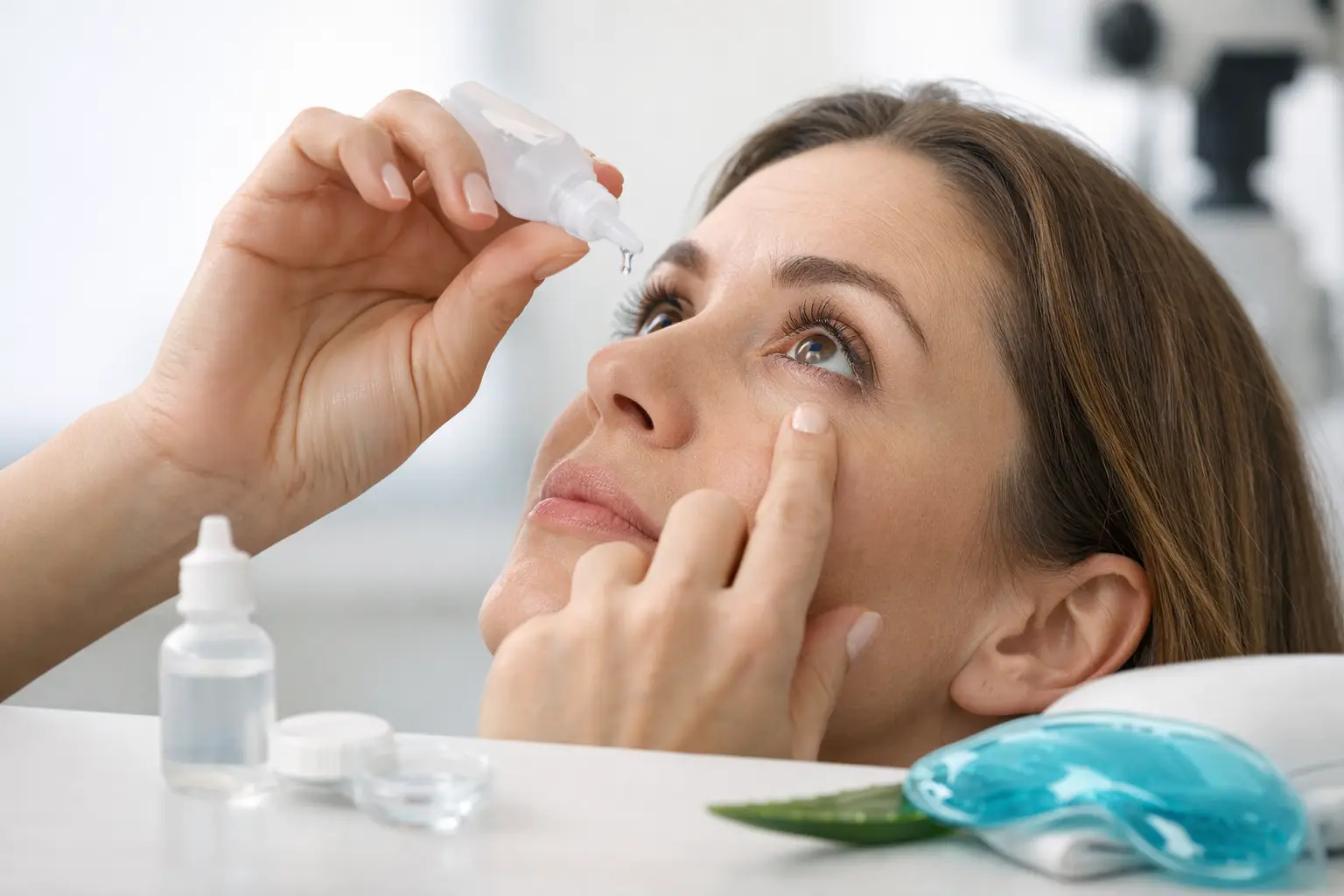
Burning, gritty eyes are not always a simple “use more eye drops” problem. The best treatment for dry eyes depends on what is disrupting your tear film, whether that is blocked oil glands, insufficient tears, inflammation, contact lens wear, screen habits, medications, or a combination of factors.
Dry eye disease can make reading, driving at night, working at a computer, and wearing contact lenses frustrating. It can also fluctuate. Your eyes may water excessively one day and feel painfully dry the next. Lasting relief starts with identifying the cause rather than relying on a one-size-fits-all solution.
Why there is no single best treatment for dry eyes
Healthy tears have three essential components: an oily outer layer that slows evaporation, a watery layer that hydrates the eye, and a mucus layer that helps tears spread evenly. When one of these layers is unstable, the surface of the eye can become irritated and vision may blur between blinks.
For many people, the main issue is meibomian gland dysfunction. These tiny oil glands along the eyelid margins can become blocked or produce poor-quality oil. Without enough oil, tears evaporate too quickly. Others have aqueous-deficient dry eye, meaning their eyes do not produce enough of the watery portion of tears. Inflammation, eyelid conditions, allergies, hormonal changes, autoimmune disease, and certain medications can make either issue worse.
This is why an eye exam matters. A dry eye evaluation can assess tear quality, tear production, eyelid health, corneal surface changes, and the function of the meibomian glands. The right treatment plan should match those findings and your daily needs.
Start with practical dry eye care at home
For mild or occasional symptoms, targeted habits can make a meaningful difference. Artificial tears can supplement natural moisture, but the product matters. Preservative-free lubricating drops are often a better choice for people who need drops frequently, since preservatives can irritate sensitive eyes over time.
If your symptoms are related to rapid tear evaporation or clogged eyelid oil glands, warm compresses may help. Use a clean, comfortably warm compress over closed eyelids for several minutes, then gently massage the lids as directed by your eye doctor. The goal is to soften and release oils, not to press hard on the eye.
Daily eyelid hygiene can also help when debris, inflammation, or blepharitis is present. Use an eye-safe lid cleanser or wipes recommended by your provider. Regular care is more effective than occasional treatment after symptoms become severe.
Small changes in your environment are worth considering, especially when symptoms are mild but persistent. Position fans and car vents away from your face, use a humidifier during dry seasons, and take regular blinking breaks during screen work. When concentrating on a phone or computer, people tend to blink less fully. That leaves tears unevenly distributed and can intensify burning and fluctuating vision.
Contact lens wearers may need a different lens material, replacement schedule, cleaning system, or a temporary break from lenses while the ocular surface recovers. Do not continue wearing lenses through redness, pain, light sensitivity, or reduced vision without professional guidance.
When over-the-counter drops are not enough
Artificial tears provide comfort, but they do not always address the underlying disease. If you use drops several times a day, wake with dry or painful eyes, struggle with contact lenses, or have symptoms that continue despite home care, it is time for a comprehensive evaluation.
Your eye doctor may recommend prescription medications that reduce inflammation and help the eyes produce healthier tears over time. These treatments can be particularly useful when chronic inflammation is a major driver of symptoms. They are not instant fixes, and improvement may take several weeks. Consistent use and follow-up are important.
For significant eyelid inflammation or meibomian gland dysfunction, in-office treatments may be appropriate. These treatments are designed to improve gland function, reduce inflammation, and stabilize the oily tear layer. The best approach depends on the condition of the glands, the severity of symptoms, and how your eyes respond to initial care.
IPL treatment for evaporative dry eye
Intense pulsed light, commonly called IPL, is an in-office option for some patients with dry eye related to meibomian gland dysfunction and eyelid inflammation. Carefully controlled pulses of light are applied to the skin around the eyes. This can help reduce abnormal blood vessels and inflammation that contribute to gland dysfunction, while supporting healthier oil flow from the eyelid glands.
IPL is not the right choice for every person with dry eyes, and it is usually delivered as a series of treatments rather than a single visit. Patients may still need lubricating drops, lid care, or other therapies alongside IPL. For the right candidate, however, it can be a valuable part of a longer-term plan for evaporative dry eye.
Amniotic membrane therapy for a damaged eye surface
When dry eye has caused more significant corneal surface damage, an amniotic membrane may be recommended. This specialized therapeutic tissue supports healing, helps calm inflammation, and protects the cornea while the surface recovers.
Amniotic membrane therapy is generally reserved for more serious cases, not routine occasional dryness. It may be considered when symptoms are severe, the cornea shows damage, or other treatments have not provided enough relief. A detailed eye examination is essential before deciding whether this therapy is appropriate.
Symptoms that should not be treated as routine dryness
Dry eye is common, but not every red, irritated eye is dry eye. Sudden pain, major light sensitivity, discharge, an eye injury, a sudden drop in vision, or redness that is worsening quickly requires prompt professional attention. These symptoms can indicate infection, corneal injury, inflammation, or another condition that needs different treatment.
It is also important to discuss your health history. Conditions such as rheumatoid arthritis, Sjögren’s syndrome, thyroid disease, diabetes, rosacea, and sleep apnea can be connected with dry eye symptoms. Medications for allergies, blood pressure, depression, acne, and other conditions may contribute as well. Never stop a prescribed medication on your own, but let your eye doctor know what you take.
How to choose the right dry eye treatment plan
The most effective plan is usually layered. A patient with mild evaporative dry eye may do well with preservative-free tears, warm compresses, and better screen habits. Someone with chronic gland blockage and inflammation may benefit from those measures plus prescription treatment or IPL. A person with substantial corneal damage may need more intensive care to protect and restore the eye surface.
The trade-off is that more advanced treatment is not always necessary, while basic drops alone may delay meaningful relief when the underlying issue is more complex. An exam helps avoid both problems. It allows your provider to look beyond symptoms and recommend care based on the health of your tears, glands, eyelids, and cornea.
At Mountain Eye Care, dry eye care is built around that individualized approach. Advanced diagnostic testing and specialty treatment options help patients move from temporary symptom management toward a plan that supports clearer, more comfortable vision.
If dry eyes are affecting your work, sleep, driving, or ability to wear contacts, do not wait for the discomfort to become your normal. A focused dry eye assessment can give you a clearer answer and a practical path back to more comfortable days.