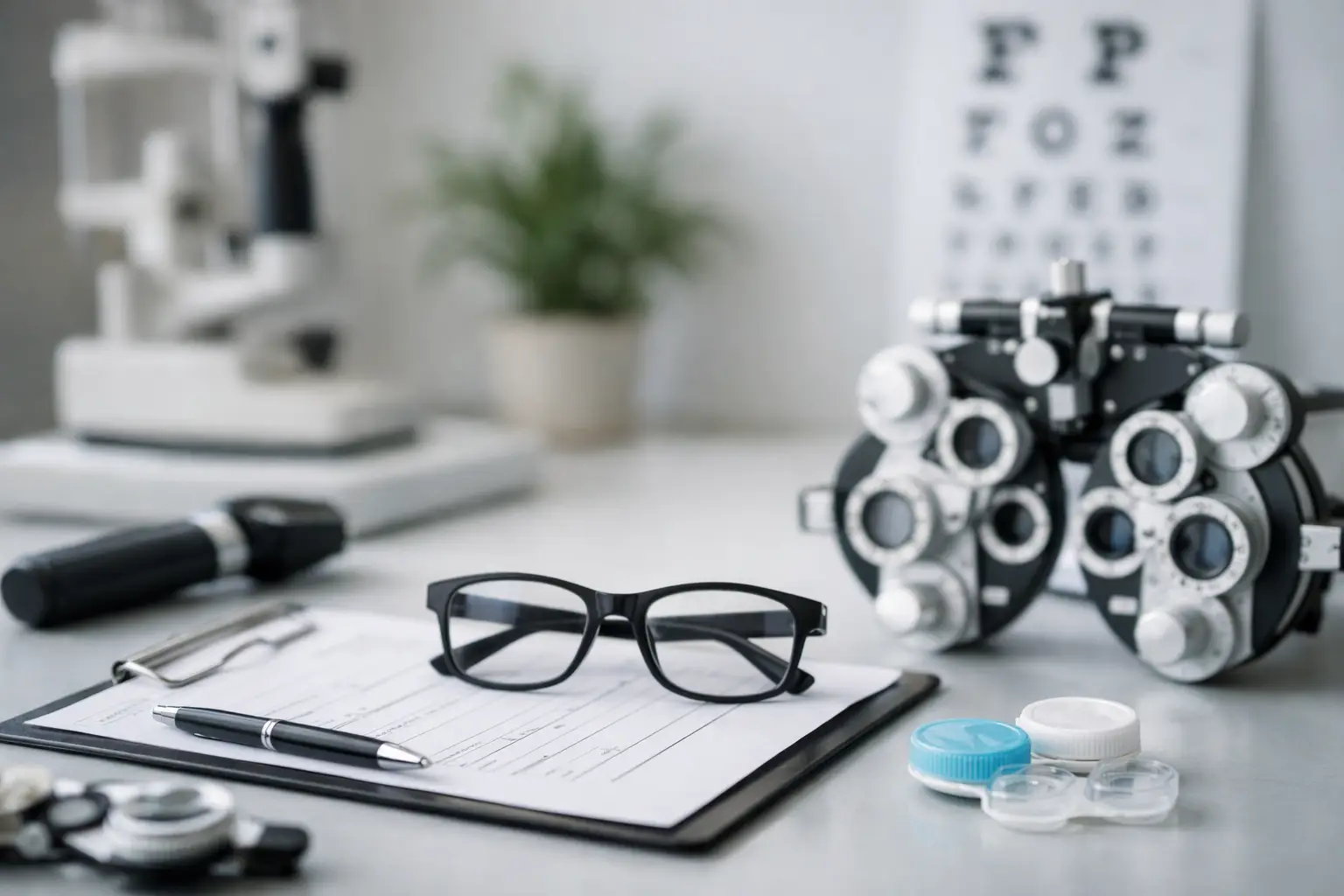
A good eye exam begins before you sit in the exam chair. Knowing how to prepare for eye exam appointments helps your optometrist get a clearer picture of your vision, eye health, daily habits, and any changes that may need attention. It also gives you more time to discuss the solutions that fit your life, whether that means glasses, contact lenses, dry eye care, myopia management, or further testing.
You do not need to do anything complicated. A few practical preparations can make your visit more efficient and help ensure important details are not overlooked.
How to Prepare for an Eye Exam Before Your Appointment
Start by thinking about why you booked the appointment. Perhaps road signs have become harder to read, your eyes feel dry after screen time, your current glasses are giving you headaches, or you simply need a routine checkup. Be ready to describe what has changed, when it started, and whether it happens all the time or only during certain activities.
Specific examples are more useful than saying your vision is “off.” You might mention that near print blurs in the evening, your eyes burn while working at a computer, headlights create glare at night, or one eye seems less clear than the other. If you experience flashes of light, new floaters, a curtain-like shadow, sudden vision loss, severe eye pain, or significant redness, seek prompt medical attention rather than waiting for a routine appointment.
Bring your current glasses, including readers, sunglasses, computer glasses, and any pair you use regularly. Even if the prescription is old, it helps your doctor understand what you have been using and whether the lens design has been meeting your needs. If you wear contact lenses, bring the lens boxes or take a photo of the brand, power, base curve, diameter, and wearing schedule. Contact lens fittings involve more than checking prescription strength, so these details matter.
Gather your health and insurance information
Your eyes can reflect changes elsewhere in the body. Prepare a current list of medications, vitamins, and supplements, including eye drops. Some medications can contribute to dry eye, blurred vision, light sensitivity, or changes in eye pressure. It is also useful to know whether you have conditions such as diabetes, high blood pressure, thyroid disease, autoimmune disease, migraines, or a history of concussion or stroke.
Family history matters too. Tell your doctor if close relatives have had glaucoma, macular degeneration, retinal disease, cataracts at an early age, or other significant eye conditions. You may not know every detail, but sharing what you do know helps determine which tests and monitoring may be appropriate.
Bring your vision insurance information and a photo ID if applicable. Coverage varies widely. An exam for glasses or contact lenses may be handled differently from testing or visits related to eye disease, injury, or a medical concern. Asking about coverage before your appointment can prevent surprises, but do not let insurance alone determine whether you mention symptoms. Your eye health should always guide the conversation.
Plan for Dilation and Diagnostic Testing
Many comprehensive eye exams include a close look at the retina, optic nerve, and blood vessels at the back of the eye. Your doctor may recommend dilating drops to widen the pupils. Dilation can provide a more complete view of internal eye structures and may be especially helpful for patients with diabetes, high prescriptions, flashes or floaters, retinal concerns, or certain age-related risks.
Dilating drops commonly cause temporary light sensitivity and blurry near vision. The effects often last several hours, though the timing varies from person to person. Bring sunglasses for comfort outdoors. If you are unsure whether you will feel comfortable driving afterward, arrange a ride or choose a time when you do not need to return immediately to close-up work.
Advanced testing may also be recommended based on your history and exam findings. Retinal imaging can document the back of the eye, while OCT scans provide detailed cross-sectional images of retinal and optic nerve layers. Visual field testing can evaluate peripheral vision, and pachymetry measures corneal thickness. These are not tests every patient needs at every visit. Their value depends on your individual risk factors, symptoms, and clinical findings.
Wear Contacts Only if You Are Told To
There is no single rule that applies to every contact lens wearer. For a routine eye exam or contact lens evaluation, you may be asked to arrive wearing your lenses so your doctor can assess their fit and how your eyes respond after normal wear. In other cases, especially if corneal measurements are needed or your eyes are irritated, you may be asked to stop wearing lenses beforehand.
Call the office if you have not received instructions, particularly if you wear rigid gas permeable, orthokeratology, or specialty lenses. These lenses can temporarily alter the shape of the cornea, which can affect certain measurements. Bring your glasses as a backup either way.
If your eyes are red, painful, unusually sensitive to light, or producing discharge while you wear contacts, remove the lenses and contact the office for guidance. Do not try to push through symptoms just to complete a scheduled fitting.
Prepare Questions About Your Vision Needs
An eye exam is not only about reading the smallest line on a chart. Your prescription and treatment recommendations should support the way you actually use your eyes. Before your visit, consider the tasks that challenge you most: computer work, detailed crafts, driving at night, sports, classroom learning, reading, or switching between distance and near work.
For example, progressive lenses can be convenient for people who need distance, intermediate, and near correction in one pair, but adaptation and frame fit are important. Dedicated computer lenses may provide more comfortable screen vision for some patients, while others benefit most from updating their everyday progressive design. The right option depends on your prescription, working distance, posture, and lifestyle.
If you are shopping for frames after the exam, be honest about priorities. A lightweight frame may be ideal for all-day wear. A larger lens shape can offer a wider viewing area for progressives. Durable materials and secure fits may be a better choice for active children. Your optical team can help balance appearance, comfort, lens thickness, and budget rather than treating any one factor as the only priority.
Help Children and Seniors Get Ready
For children, bring any previous glasses and share feedback from teachers, caregivers, or coaches. Squinting, losing a place while reading, avoiding near work, sitting very close to screens, frequent headaches, or declining school performance can all be relevant. A child does not need to know how to read to have an eye exam, so do not postpone care simply because they are young or shy.
For older adults, a family member or caregiver can be helpful when there are memory concerns, mobility limitations, multiple medications, or difficulty describing vision changes. Bring a medication list and any relevant medical records if available. If low vision is affecting reading, medication labels, faces, or mobility, mention it directly. A standard prescription change is not always the complete answer, and low vision assessments can identify useful tools and strategies.
Make the Most of Your Time With the Doctor
Arrive a few minutes early to complete forms without feeling rushed. If you use eye drops, bring them or take a photo of the label. If another provider has recently diagnosed an eye condition, changed a medication, or performed eye surgery, share that information.
During the exam, ask what each recommendation is meant to address. If a new prescription differs from your old one, ask whether the change is expected to improve distance, reading, comfort, or all three. If treatment is recommended for dry eye, myopia progression, eye pressure, or retinal monitoring, ask about the expected timeline, home care, and follow-up schedule.
Clear communication is part of good care. The most useful appointment is not necessarily the one with the fewest tests or the fastest finish. It is the one where your doctor has the information needed to evaluate your eyes carefully and you leave knowing what to do next.
At Mountain Eye Care, patients in Hamilton can bring their everyday concerns, current eyewear, and questions to one appointment – then receive guidance that considers both long-term eye health and the way they need to see each day. A little preparation gives that conversation a stronger starting point.