A new prescription is only one part of a thorough Hamilton eye exam. Your eyes can change gradually enough that blurred distance signs, tired eyes after screen use, or more frequent headaches start to feel normal. A comprehensive visit looks beyond those everyday frustrations to assess how well you see, how comfortably your eyes function, and whether there are early signs of eye disease that may not yet cause symptoms.
For families, working adults, and seniors, regular eye care provides a practical baseline. It helps ensure that your glasses or contacts match your needs while giving your doctor a clear record of changes in your vision and eye health over time.
A Hamilton Eye Exam Should Start With Your Real Needs
An eye exam should not feel like a one-size-fits-all series of letters on a chart. Your doctor should begin by discussing what has changed since your last visit and how you use your vision each day. That may include computer work, driving after dark, reading, sports, school demands, contact lens wear, dry or irritated eyes, or a family history of eye conditions.
These details help guide the examination. Someone who spends long hours switching between two monitors may need a different lens recommendation than someone who struggles with night driving. A child who is becoming more nearsighted needs a different discussion than an adult whose close-up vision is becoming less comfortable. The goal is not simply to identify a number for a prescription. It is to find a solution that supports the way you live.
Your medical history matters, too. Conditions such as diabetes, high blood pressure, autoimmune disease, and migraines can affect the eyes. So can medications, past eye injuries, and previous surgeries. Sharing this information helps your eye doctor determine which tests are appropriate and whether a change in vision calls for closer monitoring.
What a Comprehensive Eye Exam Can Include
The exact testing in a Hamilton eye exam depends on your age, symptoms, eye health history, and risk factors. A comprehensive appointment commonly includes a review of your vision and prescription, but it also evaluates the structures and function of your eyes.
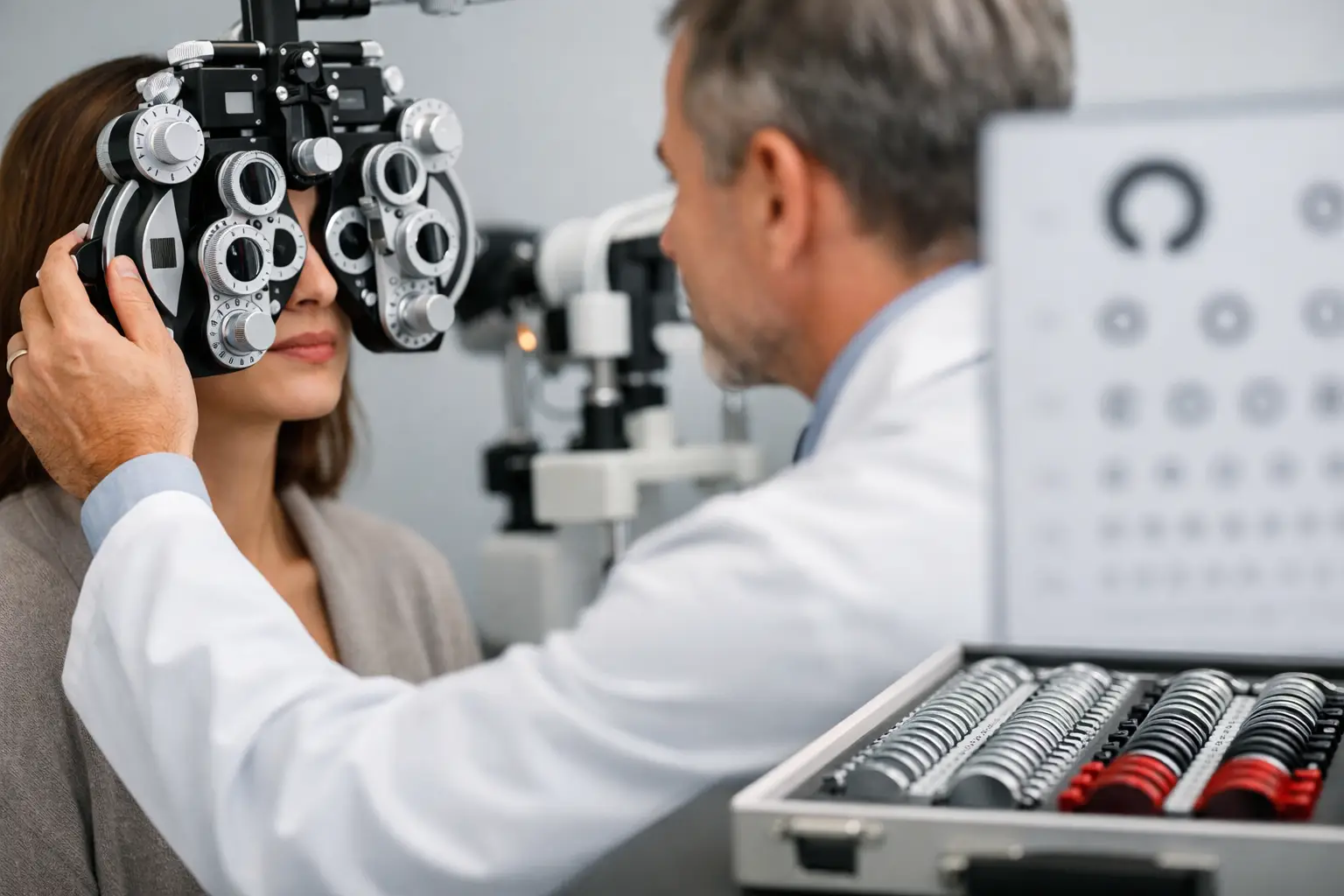
Your doctor may measure how clearly you see at different distances and refine your prescription for glasses or contact lenses. They can assess how your eyes work together, which is particularly relevant for children, people with reading discomfort, and patients who have experienced concussion-related visual symptoms. Eye pressure testing may be used to help assess glaucoma risk, while evaluation of the front surface of the eye can reveal dryness, allergies, cataract changes, or contact lens-related concerns.
Seeing More Than the Surface
The retina and optic nerve at the back of the eye provide vital information about eye health. Retinal imaging gives your doctor a detailed record that can be compared from visit to visit. This is valuable because many conditions develop quietly before noticeable vision loss occurs.
Depending on your needs, advanced testing may also include optical coherence tomography, often called OCT, pachymetry to measure corneal thickness, or visual field testing to evaluate peripheral vision. These tests are not required for every patient at every appointment. When they are recommended, they can help your doctor investigate a concern, establish a baseline, or monitor a known condition with greater precision.
That distinction matters. Advanced technology is most useful when paired with clinical judgment and a clear explanation of what the results mean for you. Patients should leave knowing whether their eyes are healthy, what needs to be watched, and what the next step is if additional care is needed.
Vision Correction Is Part of the Conversation
Once your examination is complete, the prescription discussion should be practical. A prescription that works well in a testing room may still need thoughtful lens design and frame fitting to perform well during your day.
For example, progressive lenses can offer convenient distance, intermediate, and near vision in one pair of glasses, but they require careful measurements and an adjustment period for some wearers. Bifocals may be a more familiar option for others. Premium lens materials and coatings can improve durability, reduce glare, or make lenses thinner, though the best choice depends on your prescription, work habits, budget, and expectations.
Contact lenses deserve the same individualized approach. A contact lens exam evaluates the health of the eye surface, lens fit, vision quality, and wearing habits. Brand preference can be part of the conversation, but comfort, eye health, and the right replacement schedule should lead the decision. If your lenses feel dry or your vision fluctuates late in the day, do not assume you simply need a stronger prescription. The issue may involve lens fit, tear film quality, or dry eye disease.
When Symptoms Point to More Than a Prescription Change
Some concerns require more than routine vision correction. Persistent burning, watery eyes, light sensitivity, fluctuating vision, or a gritty sensation may indicate dry eye. Treatment can range from changes in home care and tear support to in-office options such as IPL therapy or amniotic membrane treatment when clinically appropriate.
Children with increasing nearsightedness may benefit from a myopia control evaluation. The purpose is not just to improve vision now, but to consider strategies that may help manage progression over time. Patients with low vision may need specialized assessments and tools, including bioptic telescopes or other visual aids, to support reading, mobility, and daily independence.
Neurovisual concerns can also affect how a person functions even when standard eyesight measurements appear acceptable. After a concussion or neurological event, symptoms such as eye strain, headaches, difficulty tracking words, dizziness, or visual motion sensitivity should be discussed directly. A targeted assessment can help identify whether visual processing or eye coordination is contributing to the problem.
A routine appointment is a good opportunity to raise these issues. Do not wait until symptoms become severe if something feels consistently different.
How to Prepare for Your Appointment
A little preparation makes your visit more efficient and gives your doctor better information. Bring your current glasses and contact lens boxes or prescription details. If you use eye drops, bring them or take a photo of the label. It is also helpful to make a short note of symptoms, when they occur, and what seems to trigger or relieve them.
Be ready to share changes in your health, medications, and family eye history. If you have noticed flashes of light, a sudden increase in floaters, a curtain-like shadow, sudden vision loss, significant eye pain, or a chemical injury, seek urgent medical attention rather than waiting for a routine exam.
If dilation is recommended, ask how it may affect your day. Dilating drops allow a fuller view of the retina, but they can cause temporary light sensitivity and blurred near vision. Some patients prefer to arrange transportation or bring sunglasses for afterward.
How Often Should You Have an Eye Exam?
The right schedule depends on your age, visual needs, health history, and your doctor’s recommendations. Children need regular evaluations as their visual system develops, especially if they are squinting, struggling at school, sitting very close to screens, or showing signs of increasing nearsightedness. Adults may need more frequent care if they wear contact lenses, have diabetes, take certain medications, or have a family history of glaucoma or retinal disease.
For many people, regular comprehensive exams are the most reliable way to catch changes early and keep prescription updates from becoming a source of daily frustration. If you have been putting off care because your glasses still seem good enough, consider what you may be compensating for without realizing it.
At Mountain Eye Care, the focus is on pairing experienced clinical care with the testing, treatment options, and eyewear guidance that fit your specific needs. Clearer vision is valuable, but confidence in your long-term eye health is the reason to keep your exam on the calendar.