
Burning eyes at the end of a workday, contact lenses that suddenly feel uncomfortable, and vision that clears only after frequent blinking can all point to dry eye. For patients considering treatment, the most common question is straightforward: when will dry eye IPL results begin to make a difference?
The answer depends on what is driving the dryness. Intense pulsed light, or IPL, is often used for evaporative dry eye related to meibomian gland dysfunction. These tiny oil glands along the eyelid margins help create the protective oil layer of the tear film. When that layer is poor, tears evaporate too quickly, leaving the eyes irritated, watery, or intermittently blurry.
What IPL Is Designed to Address
IPL uses carefully controlled pulses of light on the skin around the eyes. In an appropriate treatment plan, it can help reduce inflammation and support healthier function of the meibomian glands. The goal is not simply to create moisture for a few hours. It is to improve the quality and stability of the tear film over time.
This distinction matters because dry eye is not one condition with one solution. Some people primarily have evaporative dry eye from meibomian gland dysfunction. Others have reduced tear production, allergy-related irritation, eyelid inflammation, medication-related dryness, or a combination of factors. IPL may be a strong option for the right patient, but it is not a universal replacement for lubricating drops, prescription treatment, lid hygiene, or other dry eye therapies.
A comprehensive dry eye assessment helps identify whether the meibomian glands are contributing to symptoms and whether IPL fits the patient’s needs. At Mountain Eye Care, treatment decisions are based on eye health findings, symptoms, and a plan designed for the individual patient rather than a one-size-fits-all approach.
When Do Dry Eye IPL Results Usually Begin?
Some patients notice an early change after the first session. Their eyes may feel less irritated, less red, or more comfortable in air-conditioned rooms or during screen use. Early improvement can be encouraging, but it is not always the full result of treatment.
More noticeable dry eye IPL results often develop gradually across a recommended series of sessions. The glands and eyelid environment need time to respond. Patients may first recognize that they are using artificial tears less often, that their vision stays clearer later in the day, or that they can wear contact lenses more comfortably.
There is no reliable calendar that applies to everyone. A person with mild, recent symptoms and reasonably healthy glands may respond sooner than someone with long-standing inflammation or significant gland blockage. Consistency with scheduled treatments and at-home care can also affect the pace of improvement.
Why one session may not tell the full story
Dry eye often develops over months or years. Meibomian glands can become obstructed, inflammation can persist along the lid margins, and the eye surface can become more sensitive over time. It is reasonable to want quick relief, but judging the entire treatment by the first appointment can be misleading.
Your eye doctor may recommend a series of IPL sessions spaced several weeks apart, followed by maintenance care when appropriate. The number and timing of visits should be individualized. A patient with more advanced meibomian gland dysfunction may need a different plan than a patient whose symptoms are earlier or more seasonal.
What Improvement Can Feel Like
Successful treatment does not always mean that every dry eye symptom disappears. A more realistic goal is better day-to-day comfort and a healthier ocular surface that is easier to manage.
Patients may report less stinging, gritty sensation, tearing, light sensitivity, or fluctuating vision. For some, the biggest difference is practical: fewer interruptions while reading, driving, working at a computer, or enjoying time outdoors. Contact lens wearers may find that lenses remain comfortable for longer periods, although contact lens comfort also depends on lens material, fit, cleaning habits, and the overall health of the eye surface.
Clinical improvement matters as well. During follow-up care, your doctor may assess the eyelid margins, tear film, gland function, and eye surface. Symptoms are important, but they are only one part of the picture. Objective findings can help guide whether treatment should continue, be adjusted, or be paired with another dry eye therapy.
Factors That Influence IPL Results
IPL can be highly useful, yet outcomes vary for understandable reasons. The severity of meibomian gland dysfunction is one factor. Glands that are blocked but still functioning may have a different outlook than glands with more advanced structural changes.
Daily habits matter too. Long screen sessions reduce blinking, which can worsen evaporation. Exposure to fans, heating vents, smoke, or dry indoor air may continue to trigger symptoms even when treatment is helping. Makeup residue along the lash line, incomplete lid hygiene, and inconsistent use of prescribed therapies can also work against progress.
Medical history is another consideration. Rosacea, allergies, autoimmune conditions, hormonal changes, and certain medications can contribute to dry eye. This does not automatically rule out IPL, but it may mean the treatment plan needs additional support and realistic expectations.
What to Expect During and After Treatment
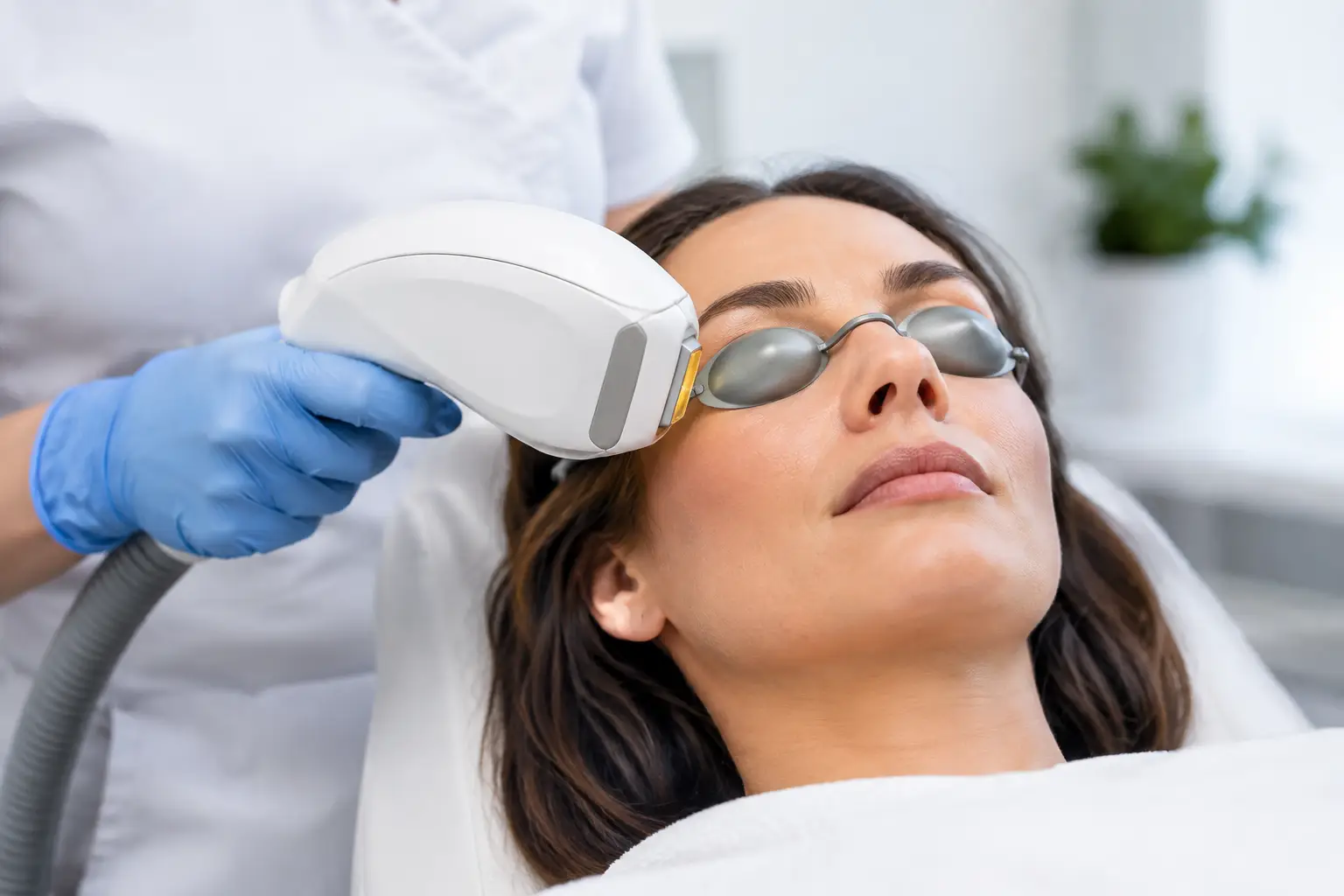
Before IPL, the eye area is evaluated and protected. A conductive gel is commonly applied to the skin, and the pulses of light are delivered around the treatment area. Patients may notice brief flashes of light and a snapping or warming sensation. Your care team will explain what to expect based on the equipment and protocol being used.
Afterward, mild temporary redness or warmth of the skin can occur. Following aftercare instructions is important, particularly regarding sun exposure and skincare products around the eyes. Tell your doctor about medications, skin sensitivities, recent sun exposure, and any history of eye or skin conditions before treatment.
IPL is not appropriate for every patient. Certain skin conditions, medications, eye conditions, and individual risk factors may affect candidacy. A professional assessment is the right place to discuss safety, expected benefits, and alternatives.
Supporting Your Results Between Visits
IPL tends to work best as part of a broader dry eye plan, not as a stand-alone event. Your doctor may recommend preservative-free artificial tears, warm compresses, eyelid cleansing, nutritional support, prescription drops, or in-office gland expression depending on your findings.
Small behavior changes can also reduce everyday strain on the tear film. Take regular visual breaks during computer work, blink fully and deliberately, position screens below eye level when possible, and avoid direct airflow from fans or vents. If you wear contact lenses, follow the prescribed replacement schedule and avoid extending wear beyond what your eyes can comfortably tolerate.
These steps do not replace medical care, but they can help protect the progress made through treatment. They also give your doctor clearer information about whether persistent symptoms are coming from dry eye itself or another issue that needs attention.
When to Contact Your Eye Doctor
Dry eye symptoms can overlap with infection, allergy, corneal injury, and other eye conditions. Contact your eye doctor promptly if you develop significant eye pain, sudden vision changes, marked light sensitivity, unusual discharge, or a red eye that does not improve. Those symptoms should not be managed by simply adding more lubricating drops.
For ongoing dryness, a follow-up visit is valuable even if symptoms have improved. Dry eye can be chronic, and maintenance is often what helps patients preserve comfort over the long term. The most useful measure of IPL success is not whether someone has a perfect symptom-free day, but whether their eyes are becoming more comfortable, stable, and manageable in real life.
If dry eye is limiting your work, reading, driving, or contact lens wear, an eye health evaluation can provide clearer answers than trial-and-error treatment alone. A personalized plan gives you a practical path forward and a way to measure progress with confidence.