
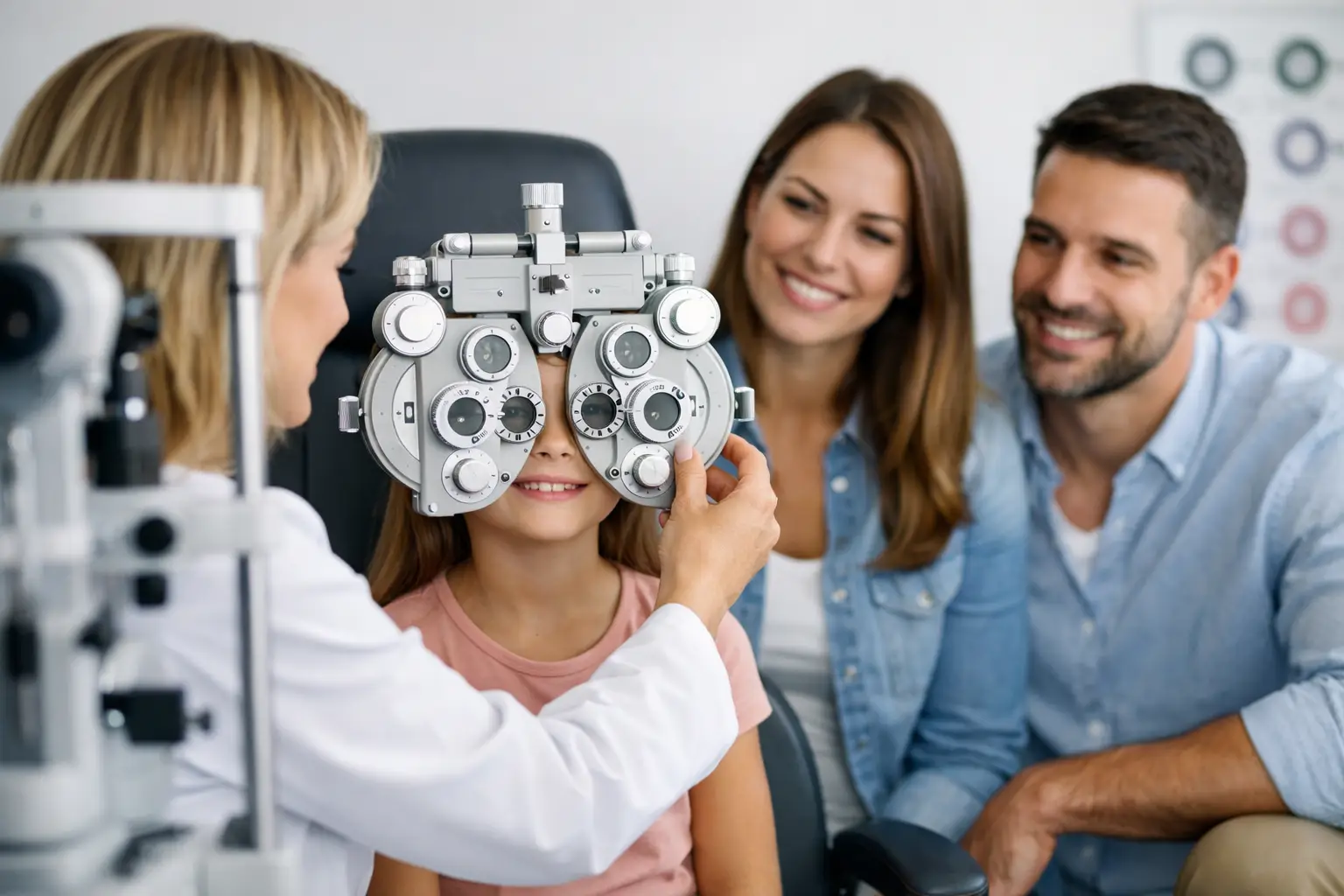
A prescription check is only one part of caring for your sight. Your eyes can change gradually enough that you may not notice a problem until reading feels harder, driving at night becomes uncomfortable, or dry, tired eyes start affecting your workday. This comprehensive eye exam guide explains what a full appointment involves, why the details matter, and how to arrive prepared.
What a Comprehensive Eye Exam Checks
A comprehensive eye exam evaluates both how well you see and how healthy your eyes are. Your optometrist looks beyond the letters on the chart to assess the structures that support clear, comfortable vision. This can help identify refractive errors such as nearsightedness, farsightedness, astigmatism, and presbyopia, as well as eye conditions that may not cause early symptoms.
The appointment is tailored to your age, health history, symptoms, medications, and visual demands. A school-aged child who is struggling to focus in class may need different testing than an adult who spends long hours on screens or a senior experiencing glare while driving. If you wear contact lenses, have diabetes, have a family history of glaucoma or macular degeneration, or have had an eye injury, your doctor may recommend additional testing.
A complete exam also creates a useful baseline. Comparing results over time can reveal subtle changes in eye pressure, retinal health, or prescription that are harder to identify during a single visit.
What Happens During the Appointment
Most comprehensive exams follow a similar process, though the order and scope can vary. Your care team will begin by asking questions about your vision, eye comfort, general health, medications, prior procedures, and family eye history. Be specific about concerns that may seem minor, including headaches, floaters, flashes of light, double vision, redness, itching, light sensitivity, or difficulty seeing at night.
Vision and Prescription Testing
Visual acuity testing measures how clearly you see at distance and, when appropriate, up close. This is the familiar portion of the exam involving letters or symbols on a chart. Your doctor will then refine your prescription through refraction testing, comparing lens choices to find the correction that provides clear, comfortable vision.
The best prescription is not always simply the strongest one. For example, someone who works on a computer all day may benefit from a prescription designed around intermediate viewing distance, while a patient who regularly drives at night may need special attention to glare and contrast. Progressive lenses, bifocals, task-specific glasses, and contact lenses each involve practical trade-offs based on lifestyle and visual needs.
Eye Alignment, Focusing, and Movement
Your optometrist may assess how your eyes work together, how they track moving targets, and how comfortably they focus from near to far. These skills affect more than clarity. Eye coordination concerns can contribute to eyestrain, reading fatigue, headaches, or trouble maintaining attention during close work.
Children may need more detailed evaluation of visual development, even if they can identify letters on an eye chart. Clear eyesight in each eye does not always mean both eyes are working together efficiently.
Eye Health Screening
The health portion of an exam allows your doctor to examine the front and back of the eye. Depending on your needs, this may include a slit-lamp examination, retinal imaging, optical coherence tomography (OCT), visual field testing, pachymetry, or eye pressure measurement.
These tests help assess the cornea, lens, optic nerve, retina, and other structures that cannot be evaluated from symptoms alone. They may support early detection and monitoring of glaucoma, cataracts, diabetic eye disease, macular degeneration, retinal changes, and other conditions.
Advanced testing is not used to make an appointment feel more complicated. It provides detailed information that helps your doctor make sound recommendations and track changes accurately over time. Some patients need these tests routinely because of their age or risk factors; others need them when an exam finding or symptom calls for a closer look.
Will Your Eyes Be Dilated?
Dilation uses medicated drops to widen the pupils, giving your doctor a broader view of the retina and optic nerve. It is often recommended during a comprehensive exam, particularly for patients with diabetes, high prescriptions, retinal concerns, flashes or floaters, or certain family eye-health risks.
Dilated vision can be blurry at near distances and more sensitive to light for several hours. The effects vary by person, so bring sunglasses and consider arranging transportation if you are uncertain about driving afterward. Ask when booking whether dilation may be part of your visit, especially if you have work, school pickup, or other commitments planned immediately afterward.
Not every exam requires dilation on every visit. Retinal imaging can provide valuable documentation and may be used alongside or, in some cases, in place of dilation based on your doctor’s clinical judgment. The right approach depends on your eye health, symptoms, and the quality of the view your doctor needs.
How to Prepare for Your Eye Exam
A little preparation helps your appointment run efficiently and gives your doctor a fuller picture of your needs. Bring your current glasses, sunglasses, and contact lens boxes or packaging if you use them. Your lens brand, replacement schedule, and wearing habits all matter when evaluating comfort and eye health.
You should also bring an updated medication list and be ready to share relevant family history. Conditions such as glaucoma, macular degeneration, retinal disease, diabetes, and autoimmune disease can affect the type of monitoring you need. If you have records from a previous eye doctor, prior surgery, or a recent medical diagnosis, let the office know.
Before your visit, think about when your vision is most challenging. Is it at the computer, while driving after dark, during sports, or when reading small print? Do your eyes feel dry late in the day, or do your contact lenses become uncomfortable after several hours? Specific examples help turn a general complaint into a practical treatment plan.
For children, mention teacher feedback, difficulty with reading, squinting, sitting close to screens, frequent blinking, eye rubbing, or avoidance of close work. Children often assume that the way they see is normal, so they may not report a vision concern directly.
When to Schedule an Exam Sooner
Routine care is essential, but some symptoms should not wait for your next regular appointment. Contact an eye care provider promptly if you experience sudden vision loss, new flashes of light, a sudden increase in floaters, a curtain or shadow in your vision, significant eye pain, severe redness, or an eye injury. These symptoms can require urgent assessment.
Persistent dryness, burning, fluctuating vision, redness, or contact lens discomfort also deserve attention. Dry eye is common, but it is not something you simply have to tolerate. Treatment can range from changes in lens wear and home care to targeted therapies based on the underlying cause.
Choosing Eyewear After Your Exam
Once your prescription is finalized, your eyewear choice should support how you actually use your vision. Frame fit affects comfort and lens performance, particularly with progressive lenses or stronger prescriptions. Lens materials, coatings, sun protection, and blue-light filtering options should be discussed in the context of your needs rather than added automatically.
At Mountain Eye Care, patients can move from clinical testing to professional eyewear fitting in one place, with options for prescription glasses, sunglasses, specialty lenses, and contact lenses. A knowledgeable optician can help ensure the frame measurements and lens design match your prescription, facial fit, and daily routine.
Your eyes do a great deal of quiet work every day. Scheduling regular care gives you a clearer view of what they need now and a stronger foundation for protecting your vision in the years ahead.