A vision change is not always obvious. Many eye conditions develop quietly, and even a familiar pair of glasses can hide the fact that your prescription or eye health has changed. That is one of the most practical reasons to get annual eye exams: they give you a clear picture of how well you see and how healthy your eyes are before a small issue becomes a larger concern.
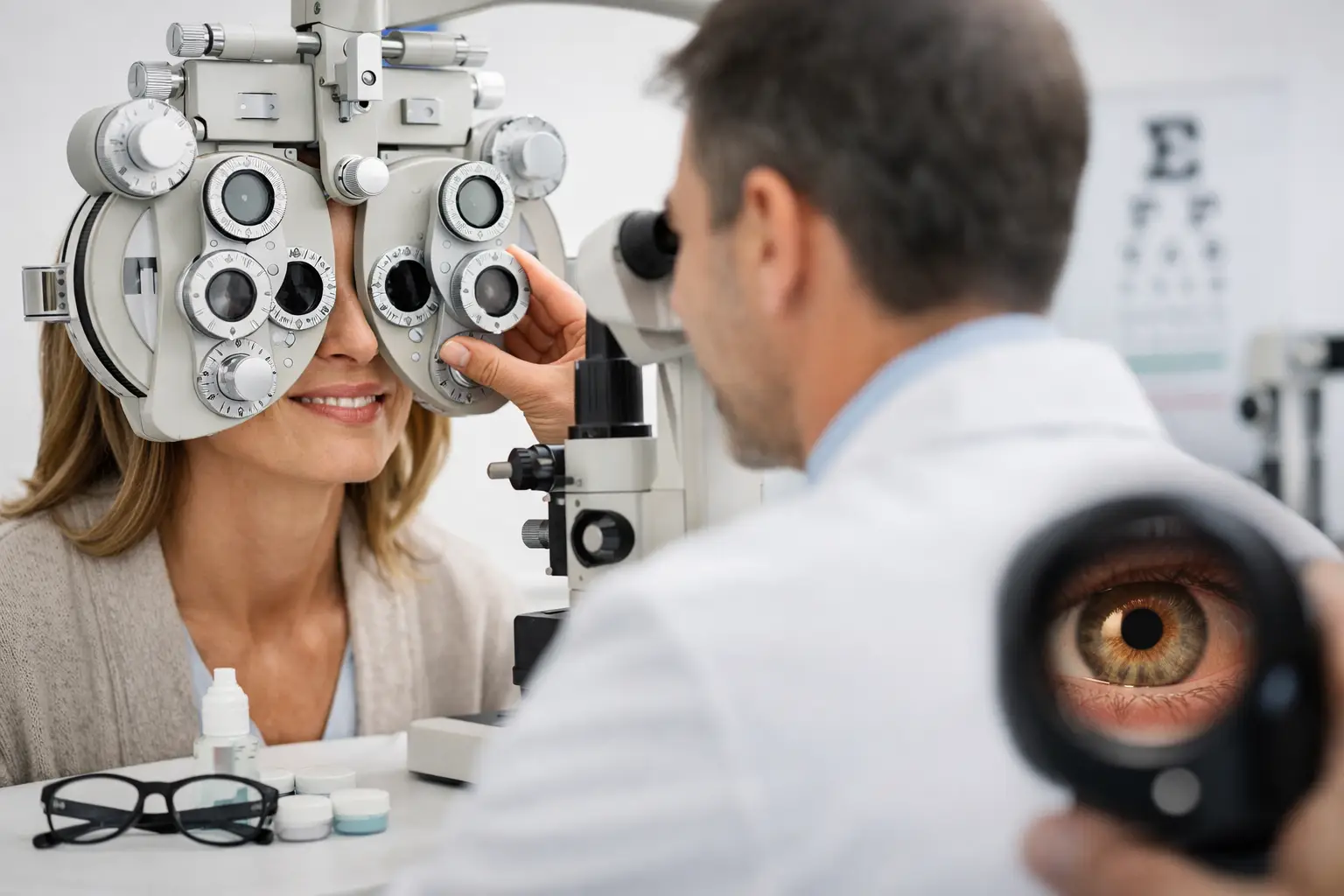
An annual comprehensive exam is about more than reading letters on a chart. Your optometrist evaluates the parts of your eyes you can see, as well as the structures you cannot. The visit can also help guide decisions about glasses, contact lenses, dry eye treatment, and specialty care for children, adults, and seniors.
1. Eye disease can begin without symptoms
Some of the most serious eye conditions do not cause pain, redness, or early vision loss. Glaucoma, diabetic eye disease, macular degeneration, and certain retinal problems may progress long before you notice a difference in daily life. By the time central or side vision is affected, damage can be difficult or impossible to reverse.
A comprehensive eye exam allows your doctor to look beyond your glasses prescription. Retinal imaging, optical coherence tomography (OCT), visual field testing, and other diagnostic tools can reveal changes to the optic nerve, retina, and other critical structures. Not every patient needs every test at every visit, but the right testing depends on your age, medical history, family history, symptoms, and exam findings.
Early detection does not always mean treatment is needed immediately. In some cases, it means establishing a reliable baseline and monitoring for change. That information can make future care more precise.
2. Your prescription may have changed more than you realize
Many people adapt gradually to blurred vision. You may hold your phone a little farther away, squint while driving at night, increase the text size on a screen, or assume headaches are simply part of a busy schedule. These habits can make a prescription change easy to overlook.
An updated prescription can improve comfort as much as clarity. The right lenses may reduce eye strain during computer work, provide sharper distance vision, or make reading easier without constantly adjusting your position. For people over 40, a change in near vision is especially common as the eye’s focusing ability naturally changes.
Your lifestyle matters, too. A prescription that worked well years ago may not be the best fit for your current routine. Progressive lenses, occupational lenses, prescription sunglasses, or separate computer eyewear can be useful options, but they should be based on a current exam and a conversation about how you use your vision each day.
3. Annual eye exams can reveal signs of broader health concerns
Your eyes provide a direct view of blood vessels and nerves that are not as easily observed elsewhere in the body. During an exam, an optometrist may see findings associated with diabetes, high blood pressure, high cholesterol, autoimmune conditions, or neurological concerns.
An eye exam does not replace regular primary care or diagnostic testing. It can, however, identify signs that deserve timely follow-up with your family doctor or another health professional. For patients who already live with diabetes or hypertension, eye examinations are an essential part of managing the condition and protecting vision.
Sudden flashes of light, a new shower of floaters, a curtain-like shadow, double vision, sudden vision loss, or significant eye pain should not wait for a routine appointment. These symptoms require urgent assessment.
4. Dry eye is treatable, but the cause matters
Dry, burning, gritty, watery, or tired-feeling eyes are often dismissed as a minor inconvenience. Yet dry eye can affect work, driving, reading, contact lens comfort, and quality of life. It may be related to reduced tear production, eyelid gland dysfunction, medications, screen use, hormonal changes, environmental exposure, or other health factors.
Over-the-counter drops can offer short-term relief, but they do not address every cause. An annual exam gives your doctor a chance to assess the surface of the eye and eyelids, determine whether dry eye is present, and recommend care that matches its severity. Depending on the findings, that may include specific lubricating drops, eyelid treatment, contact lens adjustments, prescription therapy, IPL treatment, or other targeted options.
The same principle applies to red eyes, recurring irritation, and contact lens discomfort. Reaching for a familiar product is understandable, but recurring symptoms deserve a clinical evaluation rather than trial and error.
5. Children need a different kind of vision check
A school screening can be helpful, but it is not a substitute for a comprehensive eye exam. Screenings may identify certain distance-vision concerns, yet they do not fully assess eye health, focusing ability, eye coordination, depth perception, or how effectively a child uses vision at near distances.
Children do not always know that their vision is different from other children’s. They may avoid reading, lose their place on a page, sit close to screens, complain of headaches, or struggle to maintain attention during visually demanding tasks. These signs can have several causes, and vision is one possibility worth checking.
Regular exams also allow for monitoring of myopia, or nearsightedness. When myopia progresses quickly, it can raise the lifetime risk of certain eye health concerns. Myopia control strategies may be appropriate for some children, but recommendations should be individualized based on age, prescription changes, eye health, and family history.
6. Contact lenses require ongoing care
Contact lenses are medical devices, not just an alternative to glasses. The material, fit, replacement schedule, and lens care routine all affect the health of your cornea and the comfort of your eyes. Even if your vision seems stable, an annual contact lens exam confirms that your lenses still fit properly and that the front surface of your eyes remains healthy.
This is also the right time to discuss changes in comfort, dryness, allergies, work environments, sports, or screen time. A different lens material or wearing schedule may make a meaningful difference. Your doctor can also reinforce safe habits, including never sleeping in lenses unless specifically prescribed, keeping water away from lenses, and replacing them on schedule.
Ordering lenses is convenient, but it should follow a valid, current prescription and professional guidance. Healthy contact lens wear starts with a fit that is right for your eyes, not simply the brand you used last year.
7. Consistent records lead to better long-term care
One exam offers a snapshot. Annual eye exams build a record. Comparing retinal images, prescription measurements, eye pressure readings, and other findings over time helps your optometrist identify meaningful changes that might not stand out during a single visit.
That continuity is particularly valuable if you have a family history of glaucoma or macular degeneration, take medications that can affect the eyes, have diabetes, have had an eye injury, or are managing low vision or neurological visual symptoms. It is equally helpful for patients whose eyes are currently healthy, because a baseline makes future decisions more informed.
When should you book your next exam?
For many people, yearly care is a practical schedule for protecting eye health and keeping prescriptions current. Your doctor may recommend more frequent visits if you have an eye condition, diabetes, a strong family history of eye disease, significant dry eye, rapidly changing vision, or a treatment plan that needs monitoring. Young children and older adults may also benefit from closer attention at certain stages of life.
If it has been more than a year since your last visit, booking an exam is a straightforward way to take care of both your sight and your long-term health. At Mountain Eye Care, comprehensive testing and a conversation about your daily visual needs can help you leave with a plan that makes sense for your eyes, your routine, and the years ahead.