You can feel like your vision is fine and still be overdue for an exam. That is usually the part people miss when they ask how often should adults get eye exams. Eye exams are not only about updating glasses or contact lenses. They are one of the best ways to catch early changes in eye health before they start affecting daily life.
For most adults, a comprehensive eye exam every one to two years is a reasonable baseline. But that range is not one-size-fits-all. Your age, medical history, current prescription, contact lens use, and risk for eye disease all affect what the right schedule looks like.
How often should adults get eye exams by age?
A healthy adult in their 20s or 30s with stable vision may do well with an exam every two years. If you wear glasses or contacts, yearly visits are often a better fit because prescriptions can shift gradually, and contact lenses need routine monitoring for safety and comfort.
By age 40, regular eye exams become more important even if your vision still seems clear. This is the time when many adults notice near vision changes, eye strain, or trouble with small print. It is also an age when some eye conditions can begin to develop with few obvious symptoms.
For adults 40 to 64, an annual or every-other-year exam may be appropriate depending on risk. After 65, yearly exams are usually recommended more often because the chances of cataracts, glaucoma, macular changes, and other age-related concerns increase.
That does not mean everyone over 65 will have eye disease, or that younger adults are in the clear. It means the value of regular monitoring goes up with age, and skipping visits becomes more likely to delay detection.
Why a “good vision” check is not enough
Many people assume they only need an exam when their glasses stop working. That is understandable, but it misses the medical side of eye care. A comprehensive exam checks more than how clearly you see letters on a chart.
Your optometrist is also looking at the health of the retina, optic nerve, cornea, tear film, and internal eye pressure. In some cases, advanced diagnostic imaging can document subtle changes long before you would notice symptoms. Conditions like glaucoma and diabetic eye disease can progress quietly at first. By the time vision changes are obvious, some damage may already be permanent.
This is one reason regular exams matter even for adults who do not currently wear correction. Clear distance vision does not always mean healthy eyes.
When adults should get eye exams every year
Some adults should plan on yearly exams rather than waiting two years. If you fall into any of these groups, annual care is often the safer choice.
If you wear contact lenses, yearly exams help monitor corneal health, lens fit, oxygen flow, and signs of dryness or irritation. Contacts are medical devices, and a current exam matters for both comfort and safety.
If you have diabetes, high blood pressure, autoimmune disease, or a family history of glaucoma or macular degeneration, more frequent exams are often recommended. These conditions do not guarantee a problem, but they do raise the stakes.
Adults who already have dry eye, cataracts, glaucoma, retinal concerns, or a history of eye injury also usually need yearly follow-up, and sometimes more often. The same goes for adults taking medications that can affect vision or eye health.
Even lifestyle can change the schedule. Heavy screen use, frequent headaches, eye strain, and visually demanding work may justify more regular visits, especially when symptoms start interfering with comfort or productivity.
Signs you should book sooner, not later
The standard schedule is only a starting point. If something changes, waiting for your next routine exam is not always the right move.
Book an eye exam sooner if you notice blurry vision, double vision, trouble reading, increased glare at night, frequent headaches, new floaters, flashes of light, eye pain, redness that does not resolve, or a sudden drop in comfort with contact lenses. Dry, burning, watery, or gritty eyes are also worth evaluating, especially if over-the-counter drops are not helping.
Some symptoms are urgent. Sudden vision loss, a curtain-like shadow, severe eye pain, or sudden flashes and floaters should be assessed right away. Those situations can point to problems that need prompt treatment.
A lot of adults try to wait it out because they are busy or because the problem seems minor. That can work for temporary fatigue, but it is not a good strategy when symptoms persist or worsen.
How health conditions change the answer
If you are still wondering how often should adults get eye exams, your general health may be the deciding factor. Eye health and overall health are closely connected.
Diabetes is the clearest example. Blood sugar changes can affect vision and damage retinal blood vessels over time, so diabetic eye exams are a key part of routine care. High blood pressure can also affect the retinal circulation. Autoimmune disease, thyroid issues, migraines, neurologic conditions, and some medications can all have eye-related effects.
This is where individualized care matters. A healthy 28-year-old with no symptoms is different from a 52-year-old with diabetes and dry eye, even if both feel they can see well enough. The right exam schedule should match the person, not a generic rule.
What happens during a comprehensive eye exam?
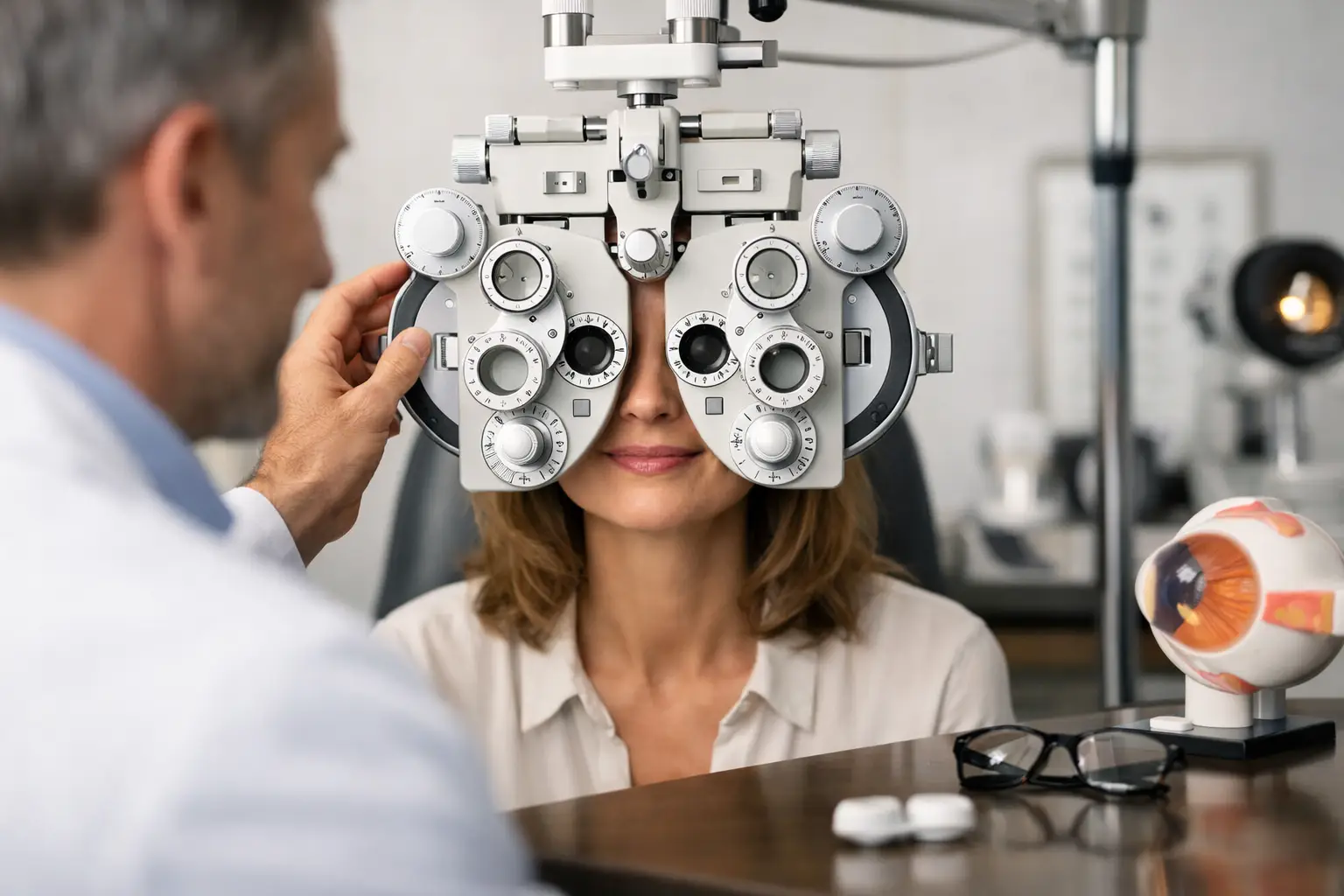
A thorough adult eye exam usually includes more than a prescription check. Your doctor will review symptoms, health history, medications, and any recent changes in vision. Testing may include visual acuity, refraction, eye pressure measurement, and an evaluation of how your eyes work together.
The health of the front and back of the eye is also assessed. Depending on your needs, this may involve retinal imaging, optic nerve evaluation, visual field testing, OCT imaging, or other technology that helps detect early disease and track changes over time.
For patients, that matters because better data often leads to earlier answers. If you have subtle symptoms, risk factors, or a condition that needs monitoring, advanced diagnostics can make the exam much more useful than a basic vision screening.
Eye exams and prescription updates
One practical reason adults delay exams is that they are managing with their current glasses. The problem is that “managing” is not always the same as seeing well.
A slightly outdated prescription can contribute to fatigue, headaches, squinting, and reduced comfort at work or while driving. For adults over 40, changes in near vision are especially common. Reading menus farther away, increasing screen zoom, or needing more light are often early signs that it is time for an updated exam.
If you wear progressive lenses, bifocals, or specialty lenses, regular follow-up can also help make sure your eyewear still matches your daily needs. The right prescription is not only about sharpness. It is about comfort, function, and reducing strain across the day.
A practical schedule most adults can follow
If you want a simple answer, start here. Adults with no symptoms, no eye disease, and no significant health risks should generally have a comprehensive eye exam every one to two years. Adults who wear contacts, are over 40, have a medical condition that affects the eyes, or have a family history of eye disease should usually be seen every year, or as directed by their optometrist.
That schedule is a guide, not a promise. Some people need closer monitoring. Others may be fine on a longer interval for a period of time. The value of an eye exam is not just in finding a problem. It is also in confirming that your eyes are healthy and giving you a clear plan for when to return.
At a practice like Mountain Eye Care, that plan can be based on both your current vision and the bigger picture of your long-term eye health. That is what good preventive care should feel like – clear, personalized, and easy to act on.
If it has been more than a year or two since your last exam, or you have noticed even small changes in comfort or vision, this is a smart time to get ahead of it. Your eyes rarely benefit from waiting, and peace of mind is a useful prescription too.